



Rent a Car in Madeira or Public Transport? What's Best for Your Trip (2026 Guide)
Rent a car in Madeira or rely on public transport? Compare costs, freedom & coverage to find the best way to explore the island in 2026.
Published on April 7, 2026
Planning a trip to Madeira and trying to figure out how to get around? This is one of the first practical questions every visitor asks, and the answer is not as straightforward as it might seem. Madeira is a small island, but it is also a mountainous, geographically complex destination where your choice of transport directly shapes the quality of your experience. This guide breaks down both options honestly, so you can decide what works best for your itinerary, budget, and travel style.
Understanding Madeira's Geography First
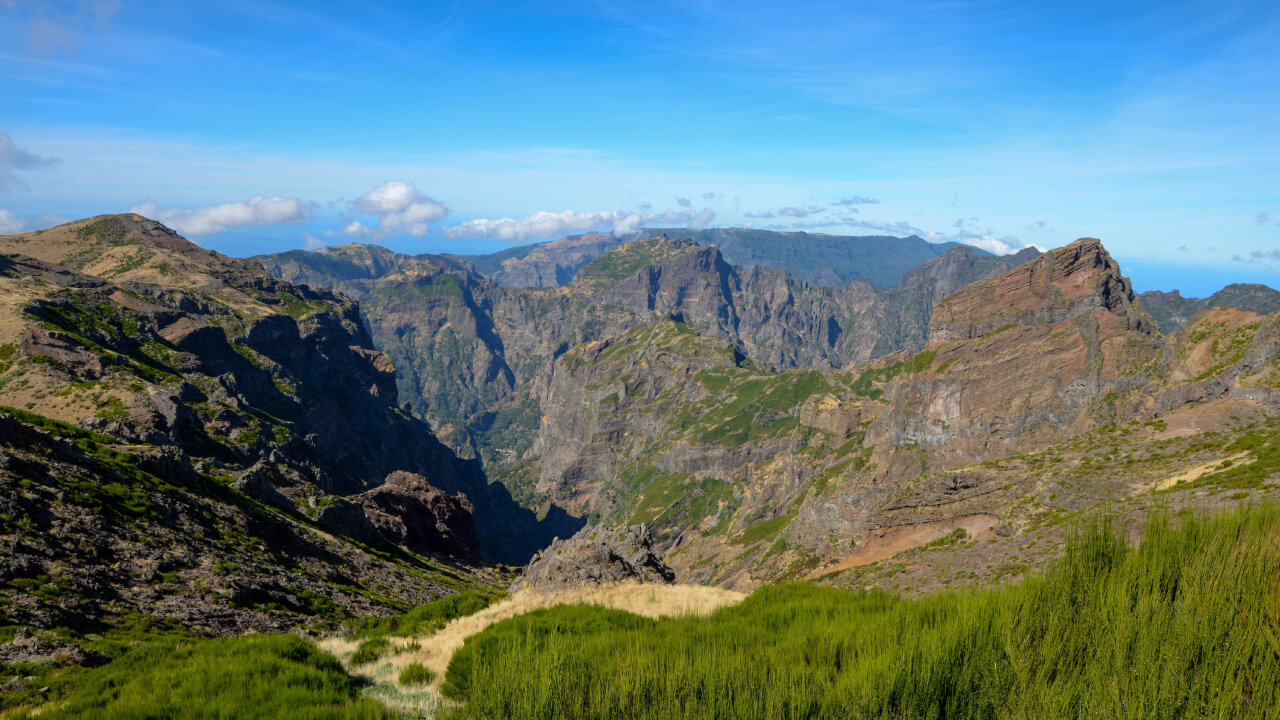
Before comparing transport options, it helps to understand what kind of island Madeira actually is. Unlike a flat coastal destination where buses and trains connect every corner, Madeira is a volcanic island with dramatic elevation changes, deep valleys, and a road network that winds through mountain passes and coastal cliffs. The capital, Funchal, sits on the southern coast and is relatively well served by urban transport. But the rest of the island, including its most breathtaking natural landmarks, is a different story entirely.
This geographical reality is the single most important factor in the rent-a-car versus public transport debate in Madeira. What serves you well in one context may leave you stranded in another.
Public Transport in Madeira: What It Covers and Where It Falls Short
Within Funchal
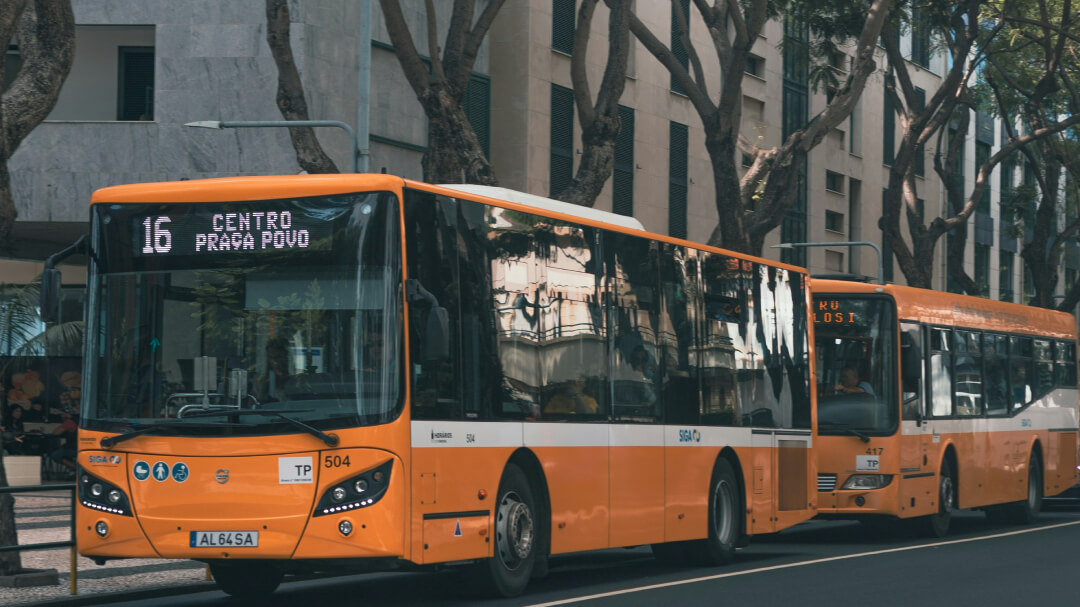
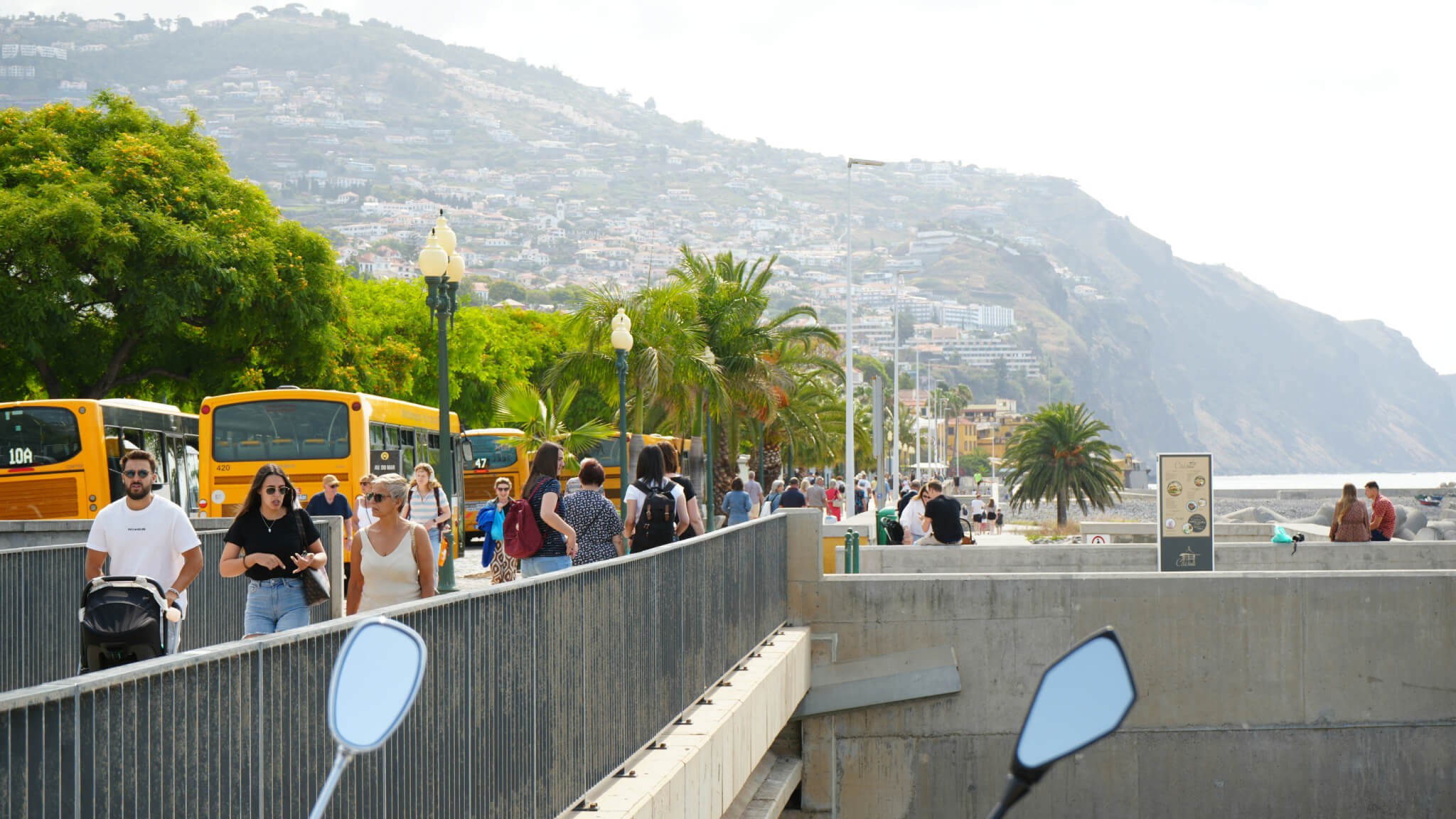
Inside Funchal, public transport is genuinely functional. The Horários do Funchal network operates a fleet of buses that connect the city centre with its various neighbourhoods, including the hotel zones along the seafront and areas like Monte and Santo António. For visitors staying in Funchal and planning primarily urban activities, such as exploring the Old Town, visiting the Mercado dos Lavradores, or taking the famous Monte Palace cable car, buses and even the iconic yellow tuk-tuks are convenient enough.
Taxis and ride-hailing services like Bolt also operate in Funchal and can supplement public transport for short trips within the city at a reasonable cost.
Beyond Funchal: The Real Limitation
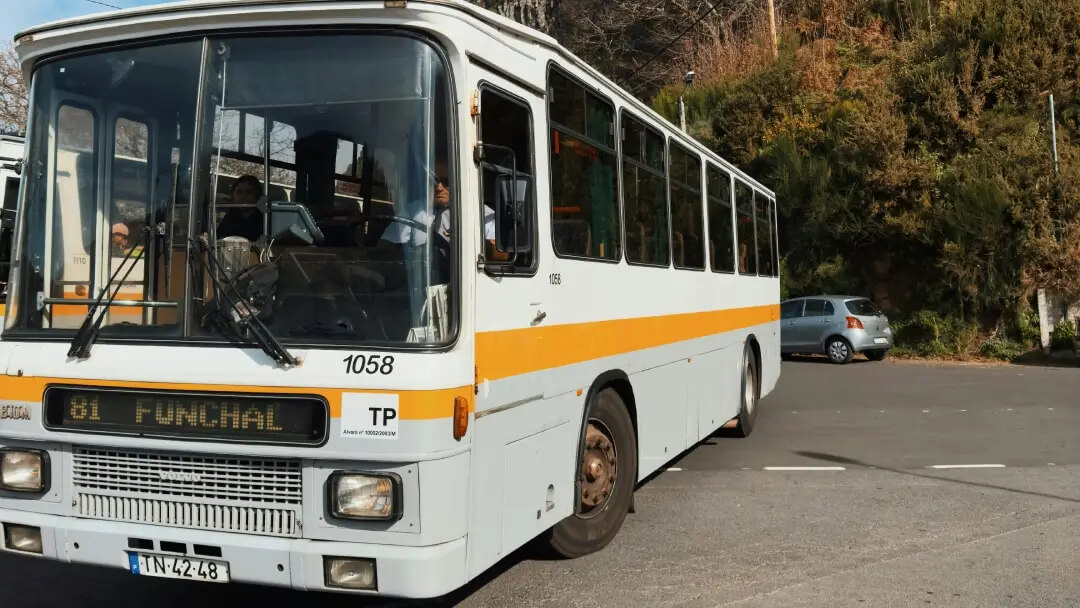
The situation changes significantly once you leave the capital. Regional bus services, operated by companies such as SAM and Rodoeste, do connect Funchal to towns like Câmara de Lobos, Ribeira Brava, Santa Cruz, and Machico. However, these routes are designed primarily for residents commuting between towns, not for tourists hoping to reach specific scenic viewpoints or natural areas.
Frequency is a major issue. Many routes outside Funchal run only a few times per day, sometimes just once in the morning and once in the afternoon. If you miss a connection, you may wait hours for the next one. And that is assuming the destination you want to reach is served at all.
Iconic places such as Fanal, the ancient laurissilva forest in the northwest, have no direct bus connection. The same applies to the vast majority of levada trailheads, which are often located on mountain roads accessible only by car. If experiencing Madeira's nature is a priority for your trip, and for most visitors it absolutely is, relying solely on public transport will mean missing the best the island has to offer.
Organised Tours as an Alternative
A middle ground exists in the form of organised day tours. Several operators in Funchal offer jeep tours, minibus excursions, and themed itineraries that bring groups to otherwise inaccessible locations. These tours can be a reasonable option for specific activities, particularly if you are visiting for a short time and want to tick off two or three highlights without driving yourself. The trade-off is that you are bound to a fixed schedule, a fixed group, and a fixed route. Spontaneity and flexibility, the hallmarks of a truly personal travel experience, are largely absent.
Renting a Car in Madeira: The Case for Freedom
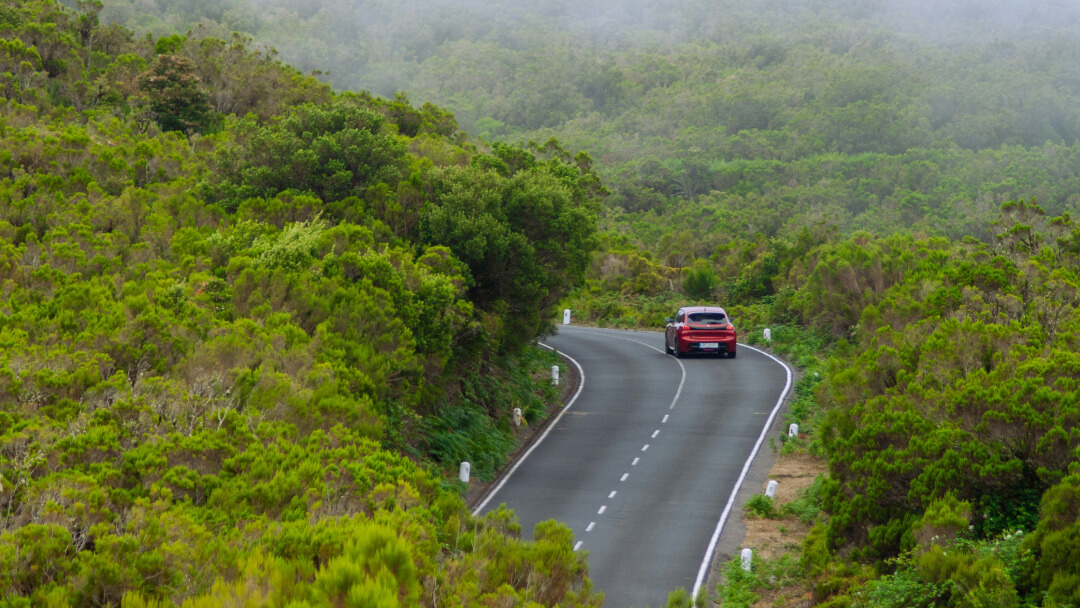
Access Without Compromise
The strongest argument for renting a car in Madeira is simply access. With your own vehicle, every corner of the island becomes reachable on your own terms. You can drive up to Madeira's most spectacular viewpoints and stay as long as you like. You can arrive at a levada trailhead at sunrise before the crowds. You can take an unplanned detour down a mountain road that looks interesting, stop at a village bakery for a bica and a pastel de nata, and continue at your own pace.
This level of independence is genuinely difficult to replicate through any combination of buses, taxis, and tours, especially if you want to see more than two or three major sites during your stay.
Cost Comparison: More Balanced Than You Might Think
A common assumption is that renting a car is more expensive than public transport. In Madeira, this assumption deserves scrutiny. Bus fares within Funchal are low, typically under €2 per journey. But once you factor in taxis to sites not served by buses, organised tour costs, and the time lost to inflexible schedules, the total expenditure can approach or exceed the cost of a car rental, particularly for stays of five days or more.
Car rental in Madeira is competitively priced, especially when booked with local companies. A compact vehicle booked in advance can cost between €25 and €40 per day, depending on the season, with weekly rates providing even better value. Importantly, there are no toll roads in Madeira, eliminating an additional cost that often surprises drivers in mainland Portugal or other European countries. Fuel costs are also relatively moderate given the island's compact size.
For a couple or a family sharing the cost of a rental, the economics become even more favourable. Split between two or four people, a car rental often works out cheaper per person than buying individual bus tickets and tour packages for the same activities.
Picking Up Your Car: Convenience from Day One
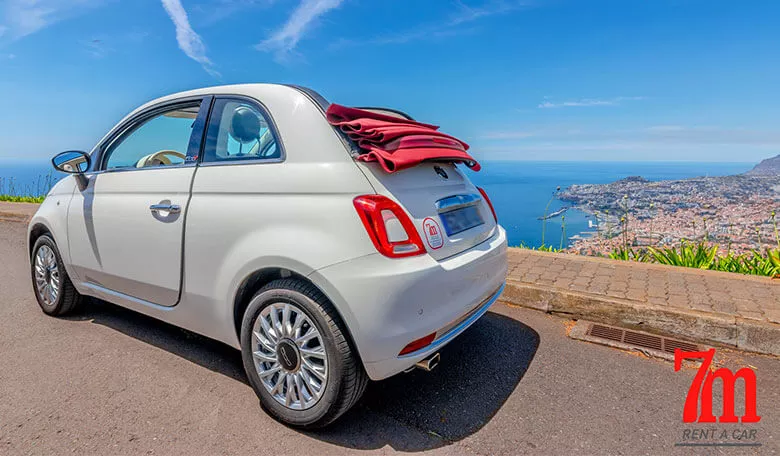
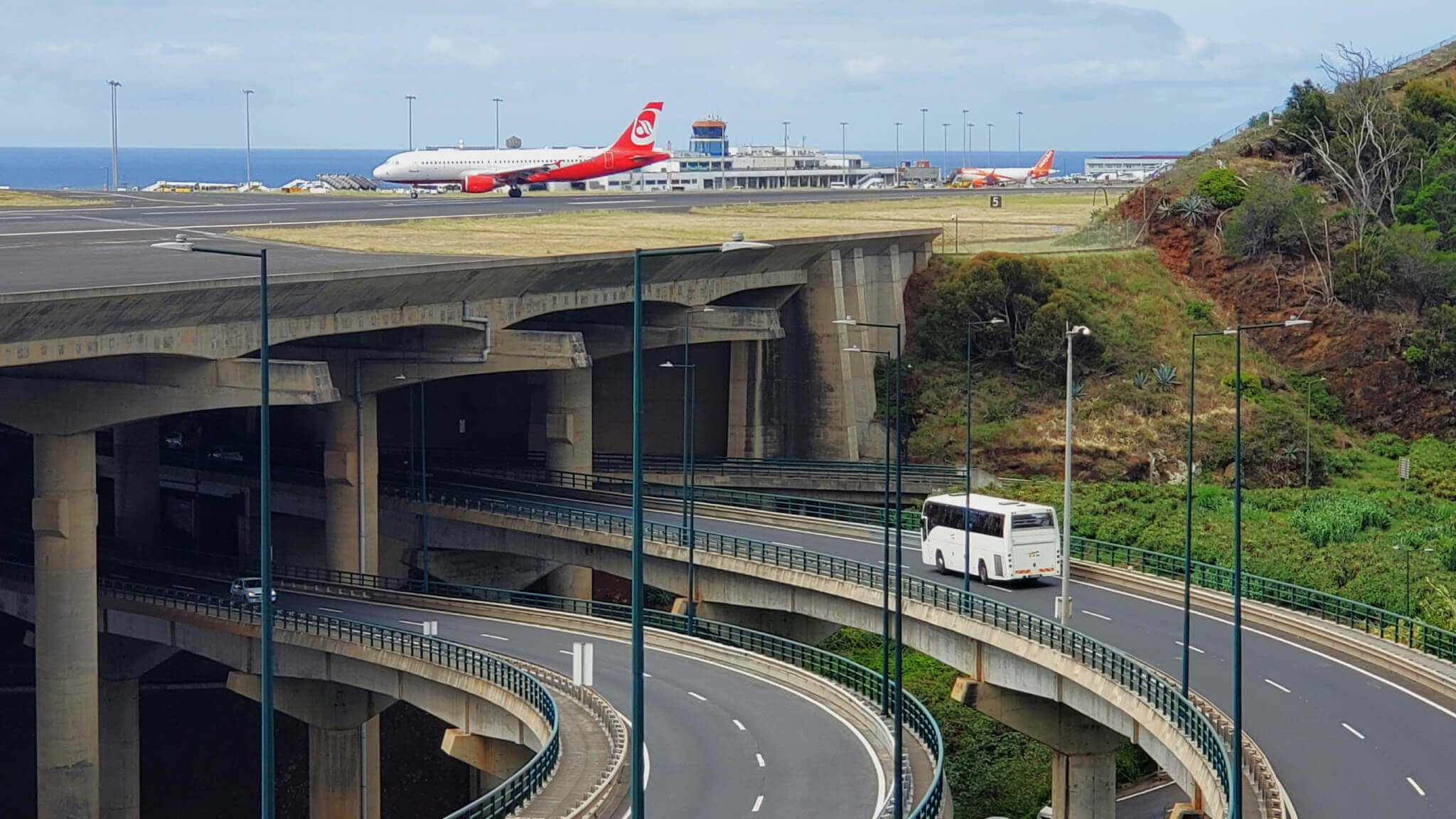
One logistical advantage that should not be underestimated is the ability to pick up a rental car directly at Madeira Airport. Arriving with transport already arranged means you can head straight to your accommodation or your first destination without navigating bus routes with luggage in tow. Finding a car rental at Madeira Airport is straightforward, and choosing a trusted local provider ensures a smooth, personal experience from the moment you land.
What About Driving Conditions?
No honest assessment of car rental in Madeira would be complete without addressing the roads. Madeira's terrain means that some routes, particularly in the north and the central highlands, involve steep gradients, tight bends, and narrow lanes where passing two cars requires care. This is not a reason to avoid driving, but it is a reason to approach it with awareness.
The main expressway, the Via Rápida, is modern, well-maintained, and connects the key areas of the island efficiently. Most of the popular tourist routes are entirely manageable for drivers with normal experience. Taking mountain roads slowly and confidently is all that is generally required. First-time visitors who have driven in hilly or rural areas elsewhere in Europe typically adapt within the first hour of driving.
Who Should Choose Each Option?
Public Transport Makes Sense If You:
- Are staying entirely within Funchal and have no plans to explore the wider island.
- Are visiting for a very short time (one or two days) with a tightly focused itinerary in the city.
- Prefer not to drive and are comfortable joining organised tours for day trips outside the capital.
Renting a Car Makes Sense If You:
- Want to explore Madeira's natural landscapes, levadas, and mountain viewpoints at your own pace.
- Are you staying for three days or more and want to maximise what you see.
- Are travelling with a partner, family, or small group where shared rental costs are economical.
- Value flexibility, spontaneity, and independence over following a fixed group schedule.
- Want to visit areas beyond Funchal, including the north coast, Paul da Serra plateau, or the eastern cape.
Our Honest Recommendation
For the overwhelming majority of visitors to Madeira, renting a car is the better choice. The island rewards exploration, and exploration requires mobility. Madeira's most memorable experiences, standing above the clouds at a mountain viewpoint, walking a levada through ancient forest, and watching the Atlantic from a clifftop village in the north, are simply not accessible to those relying on buses and tours alone.
The cost argument, when broken down honestly, rarely favours public transport for trips of more than two days. The freedom argument never does.
If you are ready to see Madeira the right way, explore the vehicle options available at 7M Rent a Car and book your rental with a local team that knows the island and genuinely cares about making your trip exceptional.
Frequently Asked Questions
Is public transport enough to explore Madeira as a tourist?
Public transport works well within Funchal but covers very little of the island's natural and scenic highlights. Most levada trailheads, mountain viewpoints, and rural areas are not served by buses or are served only by very infrequent routes. For a complete Madeira experience, renting a car is the most practical and flexible solution.
How much does it cost to rent a car in Madeira?
Rental prices vary by season, vehicle type, and duration. Compact cars typically start from around €25 to €40 per day, with weekly rates offering better value. Local companies like 7M Rent a Car provide competitive pricing alongside personalised, attentive service that larger international chains often cannot match.
Are there toll roads in Madeira?
No. Madeira has no toll roads. The island's Via Rápida expressway network is completely free to use, making car travel more cost-effective than in many other European islands or mainland destinations. This is one of the practical advantages that often surprises first-time visitors.
Is it difficult to drive in Madeira?
Some mountain roads are narrow and winding, which can feel unfamiliar at first. However, the main expressways are modern and easy to navigate. Most drivers with standard experience adapt quickly, and driving with care on secondary roads is all that is needed. The rewards of self-driving, in terms of access and freedom, far outweigh the initial learning curve for the vast majority of visitors.